
SpaceX has launched 60 Starlink satellites in record 10th liftoff
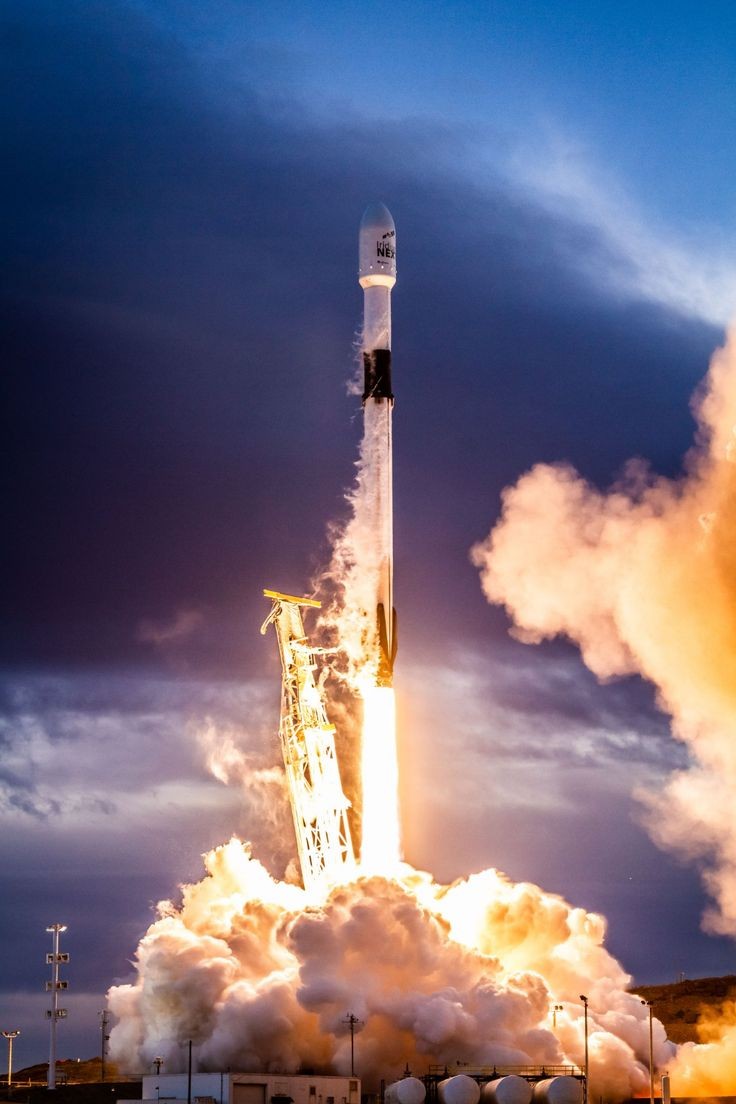
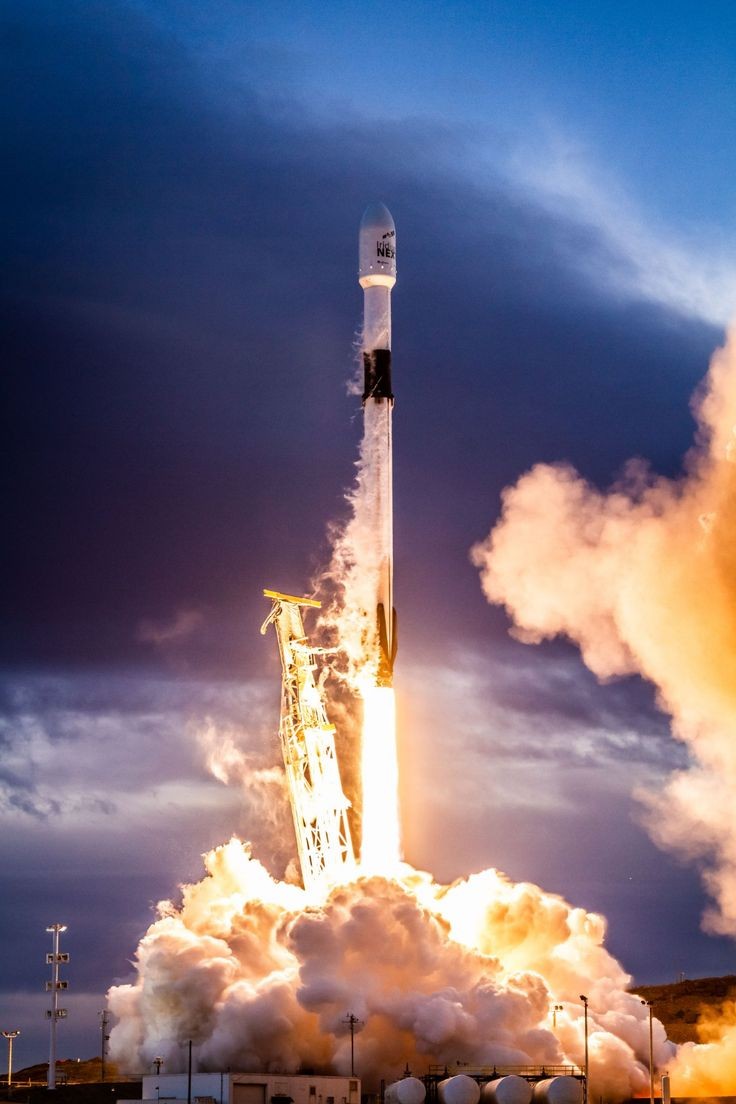
A SpaceX Falcon 9 rocket on May 9, 2021, launched 60 Starlink internet satellites into orbit early and then landed at sea to record the 10th flight for the company’s reusable booster.
The Falcon 9 rocket took off at 2.42 am EDT from Space Launch Complex 40 at Cape Canaveral Space Force Station.
https://twitter.com/SpaceX/status/1391298872895414272?s=19
SpaceX CEO Elon Musk tweeted ““First time a Falcon rocket booster will reach double digits in flights”
The SpaceX supply chain supervisor Michael Andrews during a live webcast informed that SpaceX’s first reuse of an orbital class rocket was on the SES-10 mission way back in March of 2017.
Approximately nine minutes after liftoff, the rocket’s first stage returned to Earth, touching down on SpaceX’s drone ship “Just Read the Instructions” for a record 10th successful landing.
Onlookers were treated to quite the spectacle as the rocket lit up the pre-dawn sky as it climbed to orbit. Clear skies above Florida’s Space Coast made for prime viewing conditions.
NOW LETS KNOW SOMETHING INTERESTING ABOUT FALCON 9 ROCKETS.
•Falcon 9 rocket has been designed and manufactured by SpaceX, an American aerospace manufacturer and space transportation services company owned by Elon Musk.
•Falcon 9 rocket is the world’s first orbital-class two-stage, a reusable rocket built to transport people and supplies into Earth orbit and beyond.
STARLINK CONSTELLATION
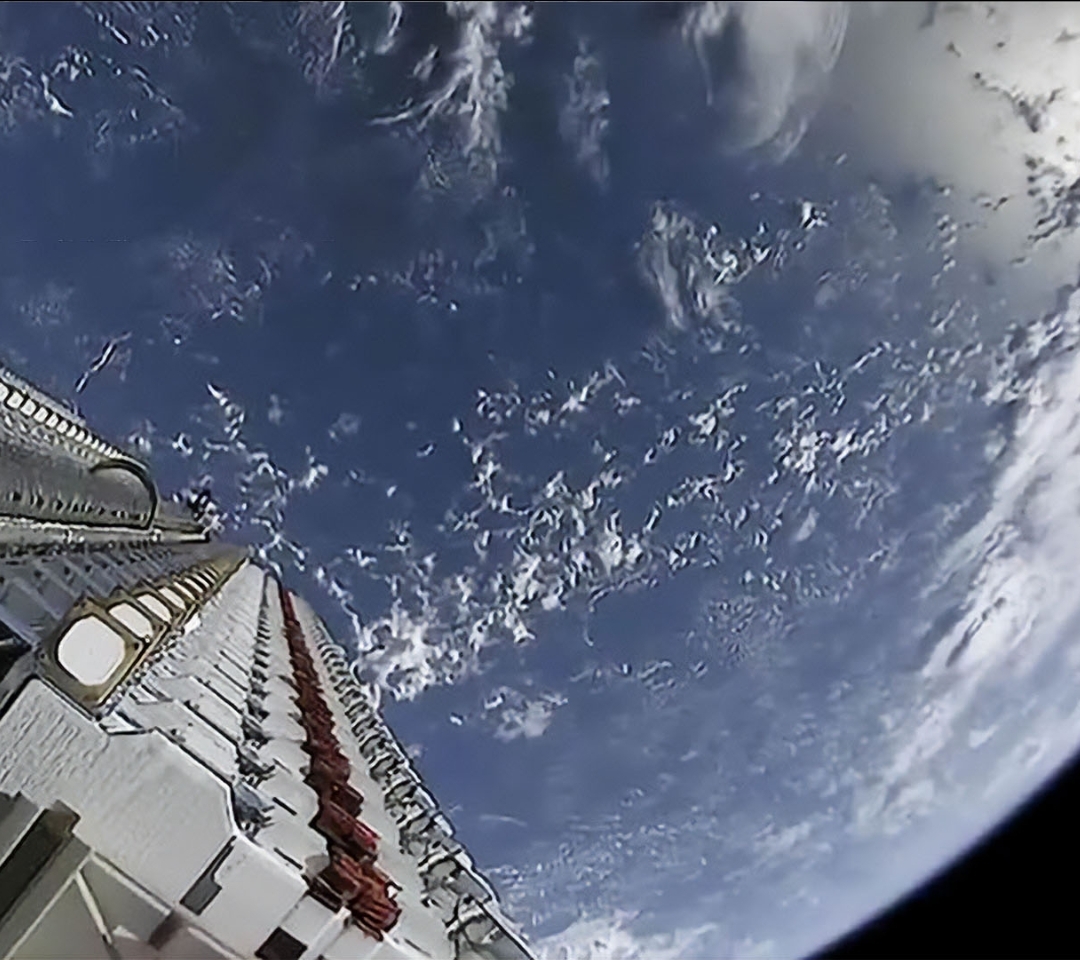
SpaceX created its massive internet constellation with one major goal: to provide internet coverage to the world, in particular to those in remote and rural areas. To that end, company engineers designed a fleet of flat-paneled broadband satellites to fly over the Earth, beaming down internet coverage to users who can access the service via a compact user terminal.
With Sunday’s launch success, SpaceX has launched more than 1,600 Starlink satellites into orbit, including some that are no longer operational.
The cost of the decade-long project to design, build, and deploy the constellation was estimated by SpaceX in May 2018 to be at least US$10 billion.
Currently, Starlink is still in its beta-testing phase with users around the world putting the service through its paces. The company has also opened up its website to begin taking preorders, although service won’t begin right away. Prospective users can go to the company’s website and reserve the service with a $99 deposit right now.
During beta, users can expect to see data speeds vary from 50Mb/s to 150Mb/s and latency from 20ms to 40ms in most locations over the next several months as we enhance the Starlink system. There will also be brief periods of no connectivity at all.

So, are you going to use the Starlink as your internet service provider.
If Yes, what are your expectations from it, and if no, why?
What are the special categories on which you will decide the usability of Starlink satellites
What are your opinions about it’s success in Indian?
What other ideas can you add to this that I may not have mentioned?
If you enjoyed this blog post, share it with a friend.
What kind of content would you like to see on the blog?






















 The Draag